Picture
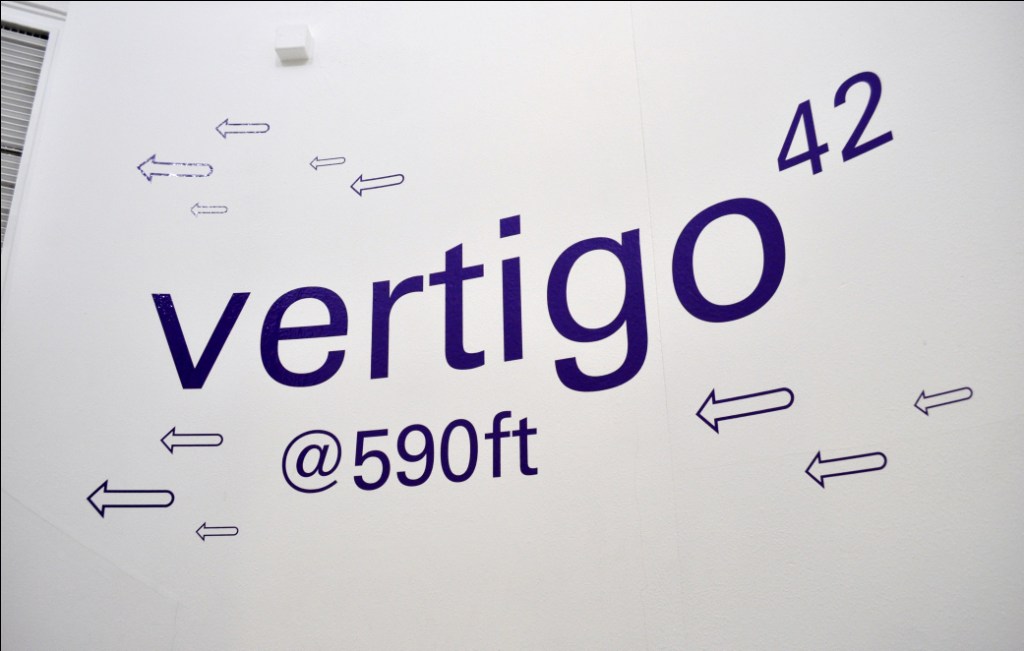
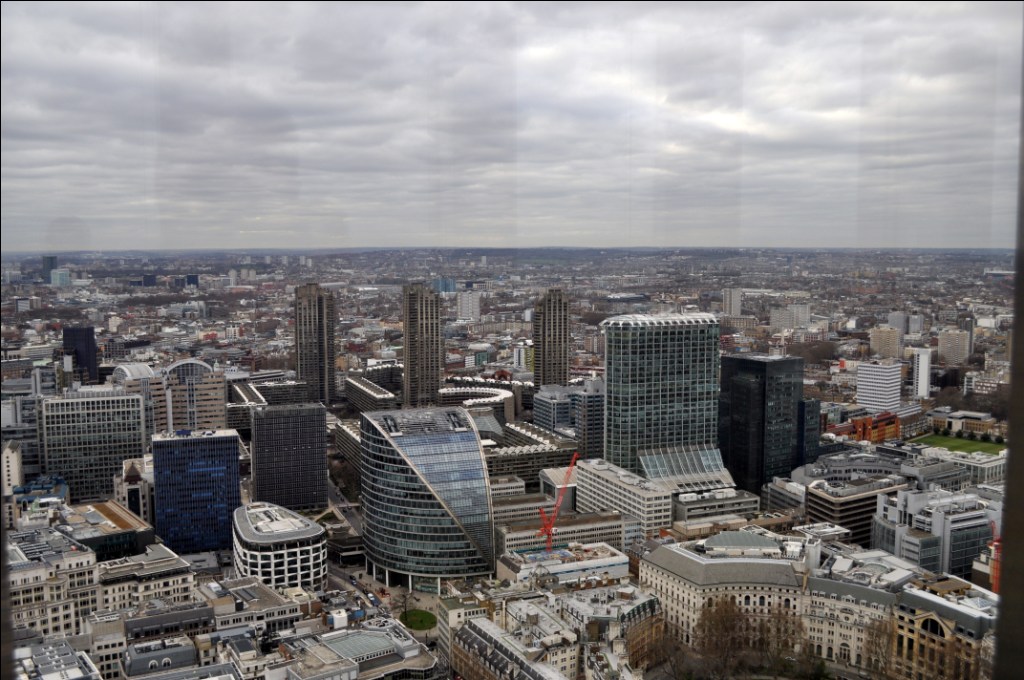
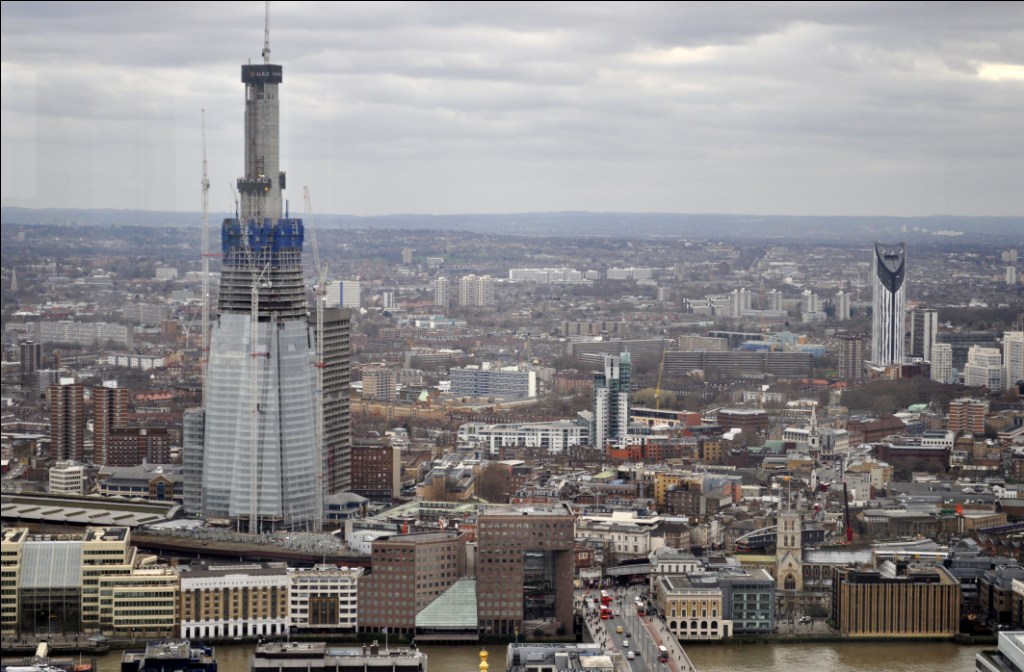
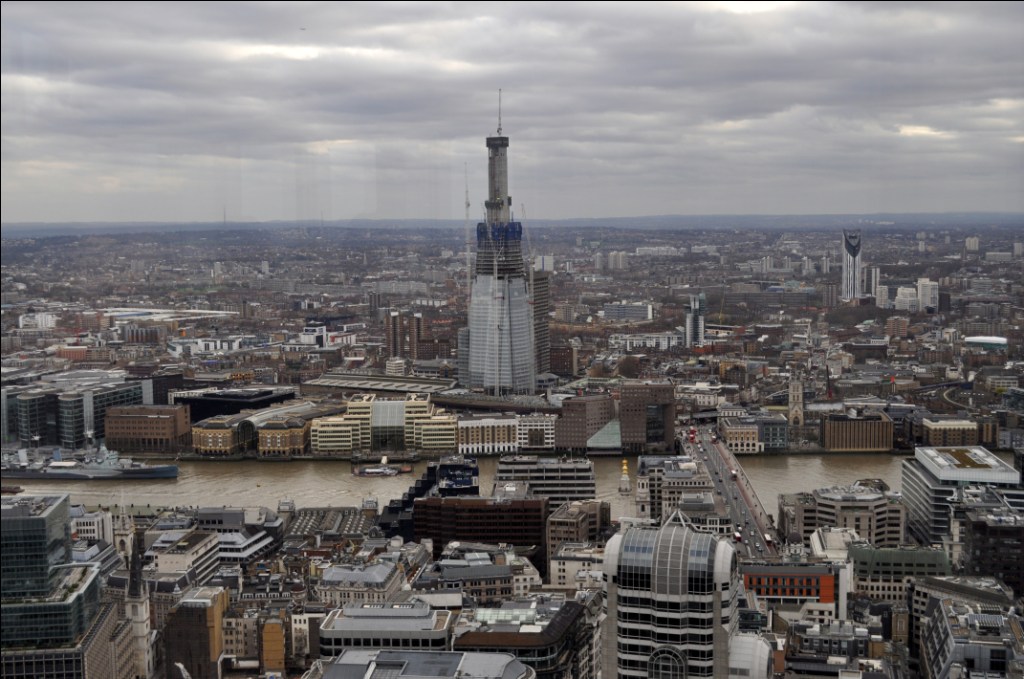
There's very few places where you get to see London in the way you do from Vertigo 42, for it sits you at the very top of London's skyline. Vertigo Champagne Bar is located in Tower 42 with the '42' of course referring to what floor you're on, in this case, the highest floor in the Tower that's accessible to the public. With Canary Wharf, the Gherkin and Heron Tower not available to the public at large, Vertigo is therefore the highest man made public viewing point in the UK at 600 feet, or 188 metres in new money.

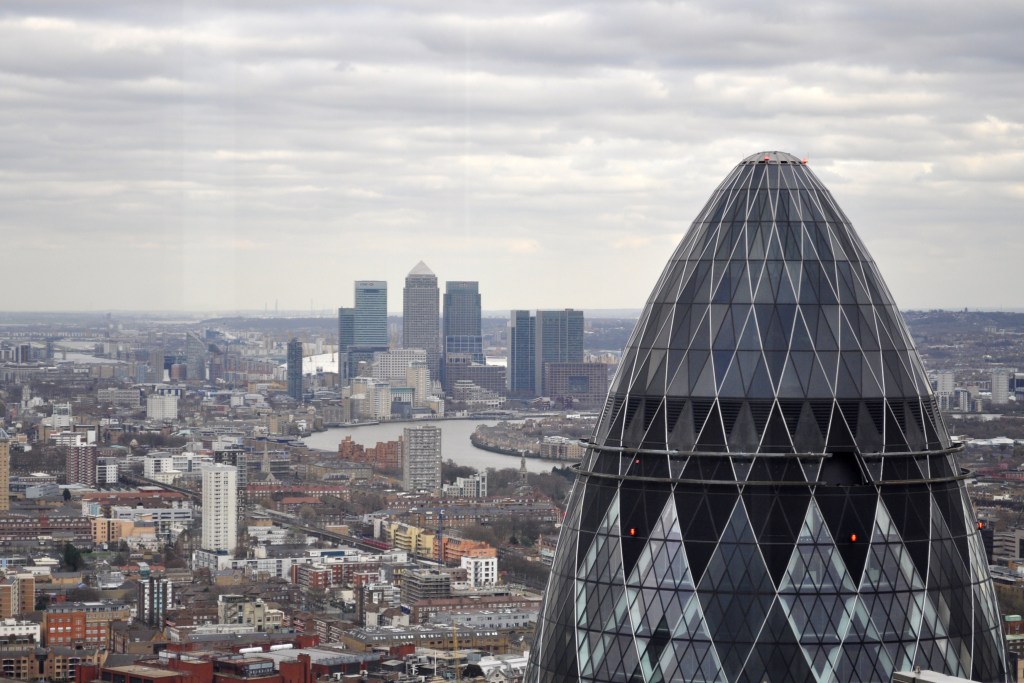
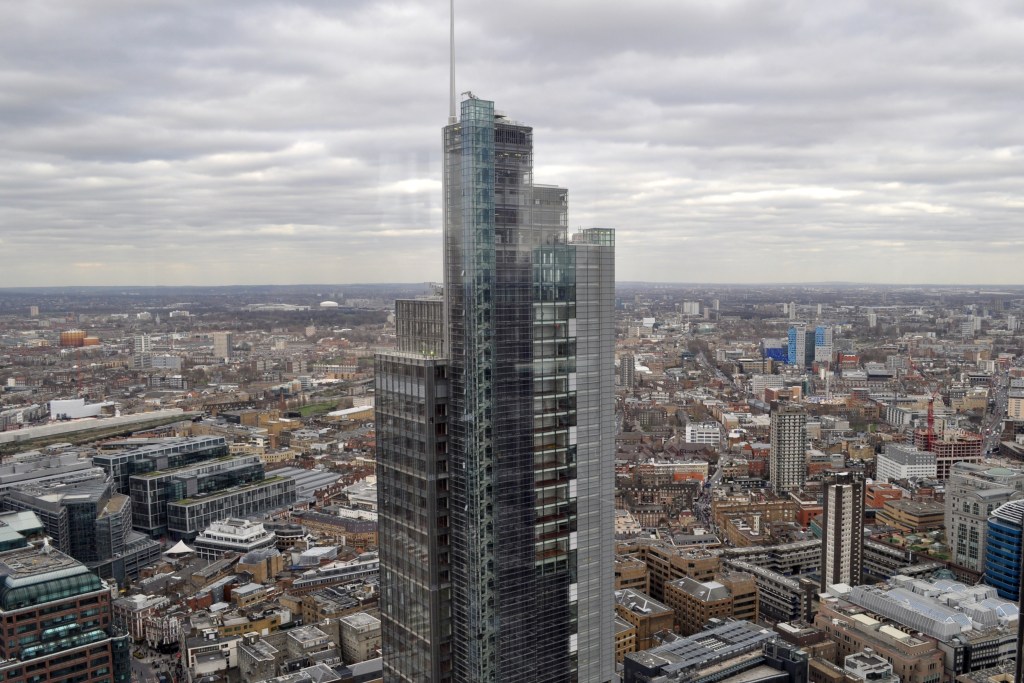
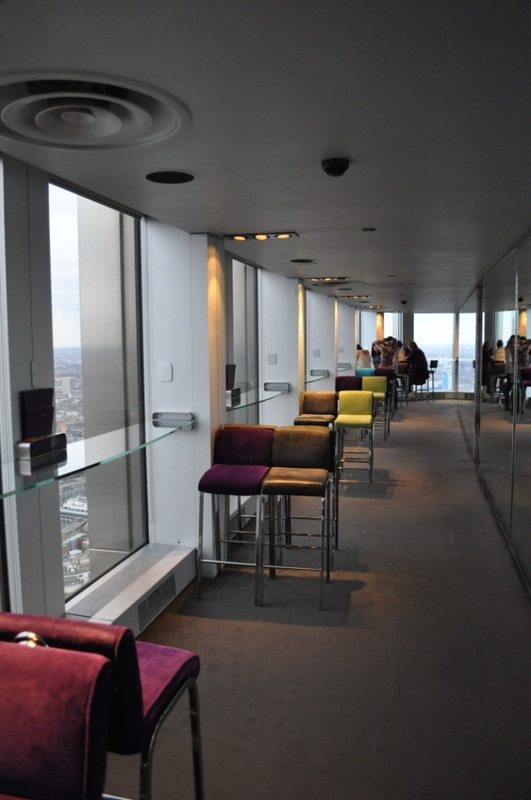
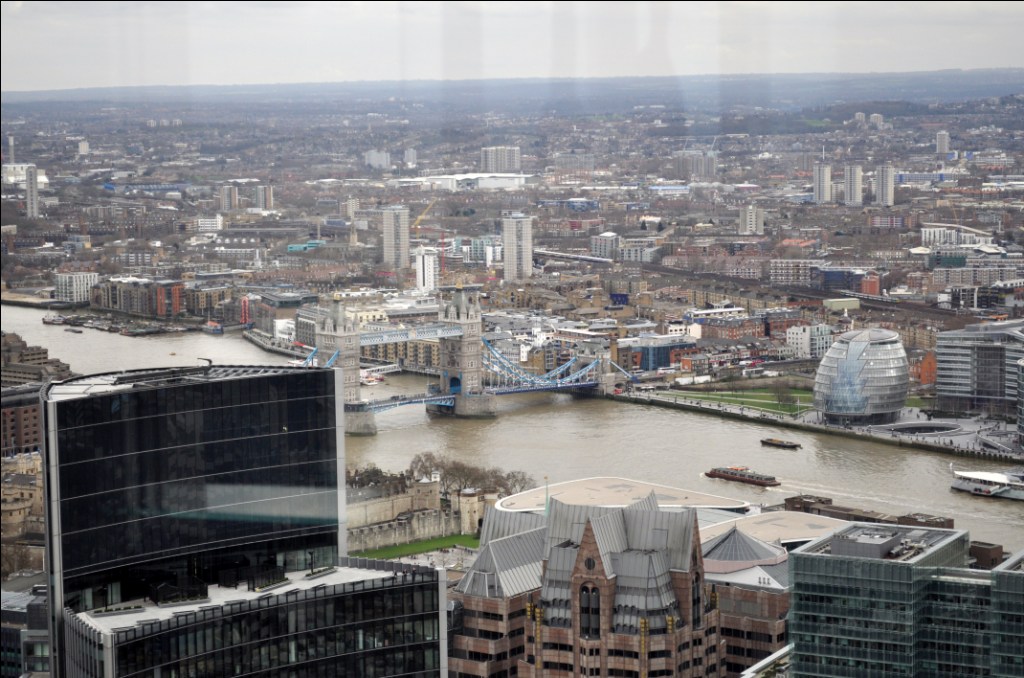
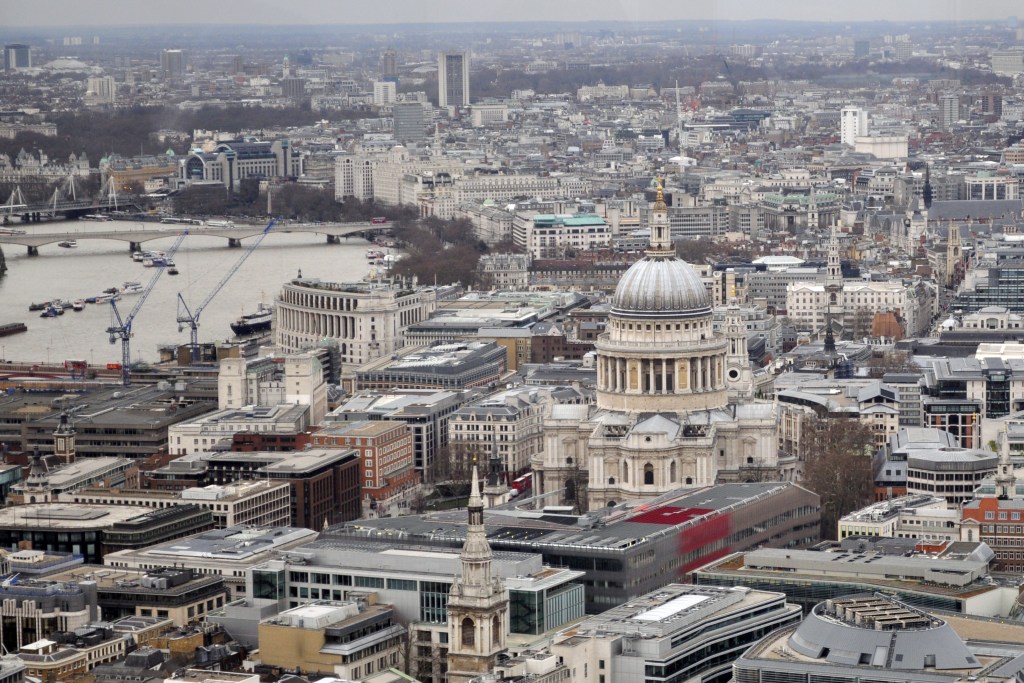
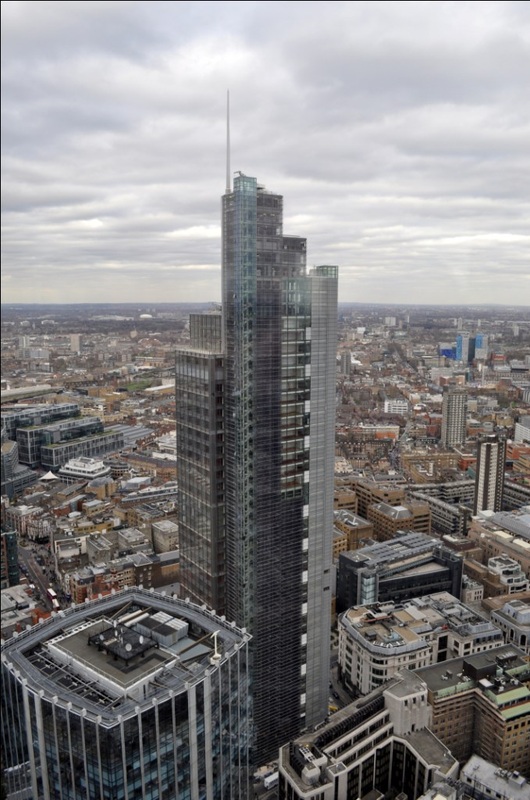
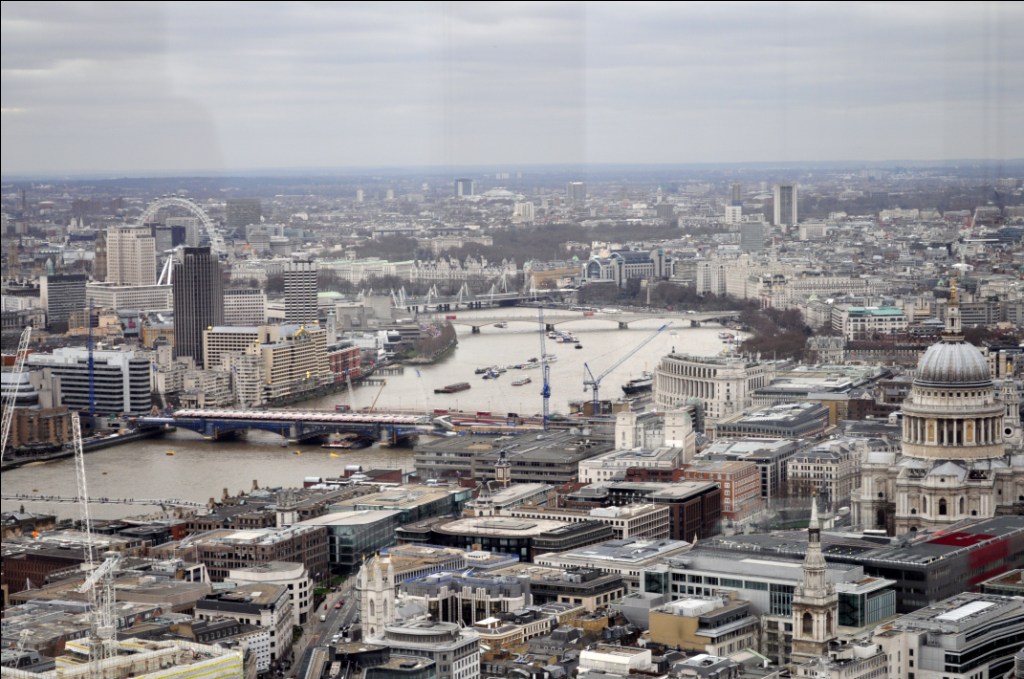
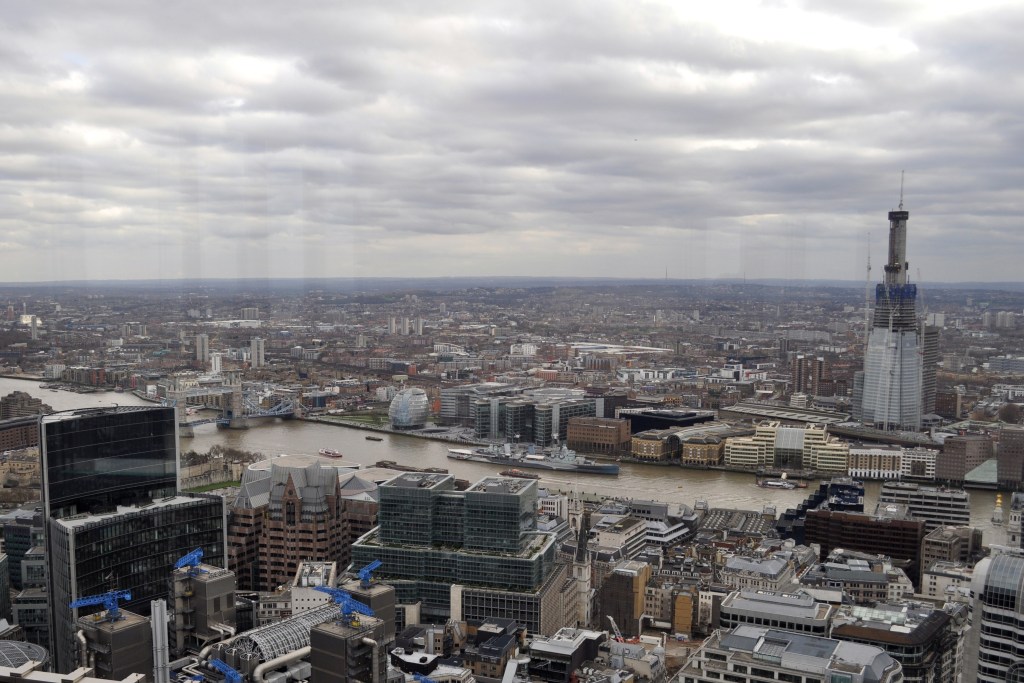
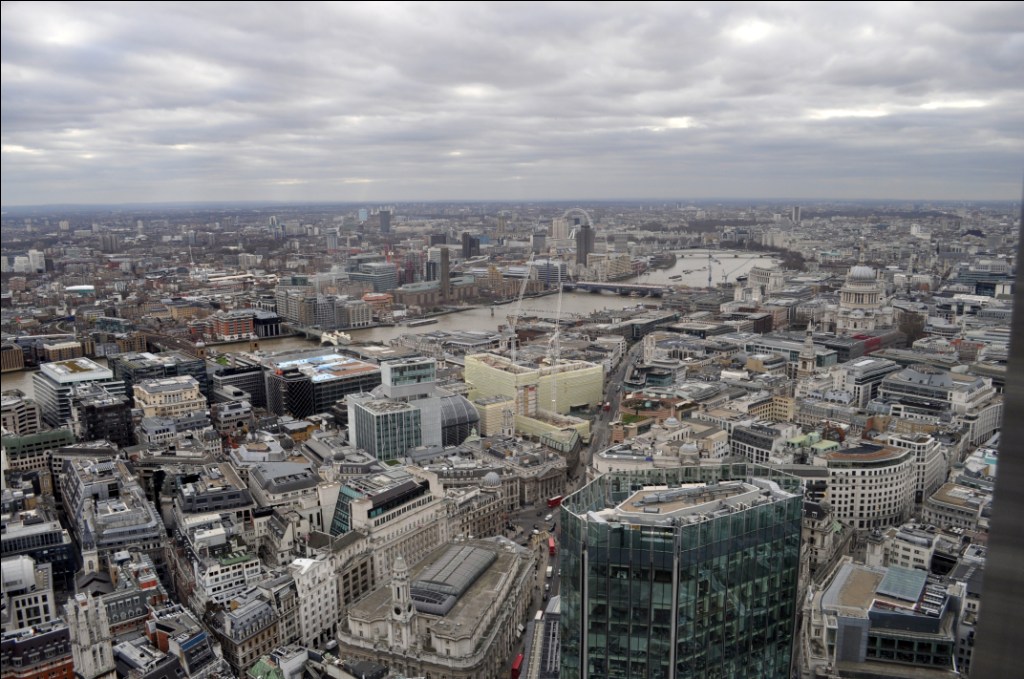
A few things about the bar itself, it's reservations only and you have to check in with reception on the ground floor on arrival after which you have to go through airport like security but it's all pretty quick. There's an express elevator to the 42 floor and as you step through the door to Vertigo, you're immediately facing south-east so you are greeted with visuals of Tower Bridge, the Thames, the Mayor's office, the Belfast and The Shard; impressive. The seating area in the bar hugs the window line and follows the perimeter of the building clockwise round so that as you walk through the bar, you then look west for St Pauls, the London Eye, and even Wembley in the distance before looking north (Liverpool Street) and then looping back round east to catch the Heron Tower, the top of the Gherkin and Canary Wharf in the background. It's simply stunning. 

The offering is basically champagne with some bar food like smoked salmon, Caesar salad, and hams available. If you want full on dining, it's downstairs to Michelin starred Rhodes 24 on the 24th floor. I want to make the joke that prices here are 'sky high' but that would actually be unfair. It's not cheap but they do have location and champagne starts at around £60 a bottle though service charge will be added. Staff are friendly enough but the real reason for coming is to look out the window and gawp.

There are three basic reasons for coming here then: one, impress clients, two, to take friends and family from out of town who will simply love it, and three, for when you just want to remember what a fabulous city London is and you want to look out and be amazed all over again. Noted by Douglas Blyde, the window buttresses are very thick but that also has the effect of creating natural 'dividers' between seated parties in the bar.

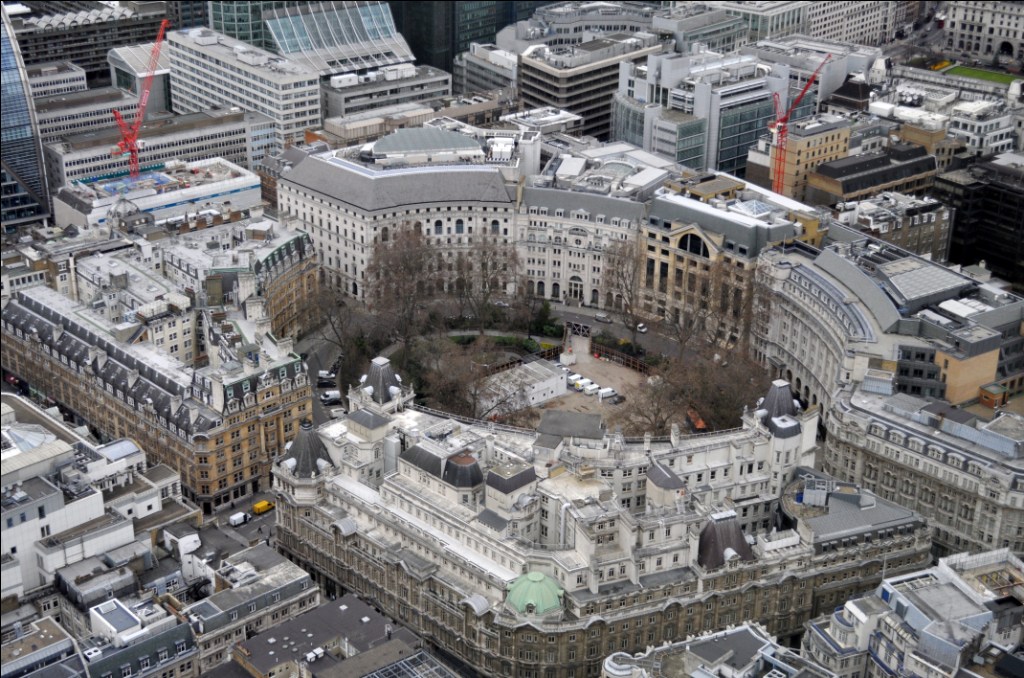
The proposition at this bar is so simple and so obvious that no more words are really needed so I'll let the pictures take over. But one thing worth noting though is that it looks very different during the day and at night. If time and season permits, start your visit there during the daylight, watch the sun set over London and see it come to night life, that way you get the best of all worlds.   
Picture
The Heron Tower
Vertigo, Tower 42 on Urbanspoon
 
 
Good name in man and woman, dear my lord,
Is the immediate jewel of their souls.
Who steals my purse steals trash; 'tis something, nothing;
'Twas mine, 'tis his, and has been slave to thousands;
But he that filches from me my good name
Robs me of that which not enriches him,
And makes me poor indeed.


     Othello Act III, William Shakespeare

 
Why is Mark Hix, a man with a most excellent CV and reputation, allowing this to be so tarnished by these London institutions that now bare his name?  Give me five minutes alone in a room with him and I’ll slap him like a bitch; he needs to know what sins are being perpetrated under his banner. What’s done in his name has seen lesser folk sent to war crime trials in the Hague.

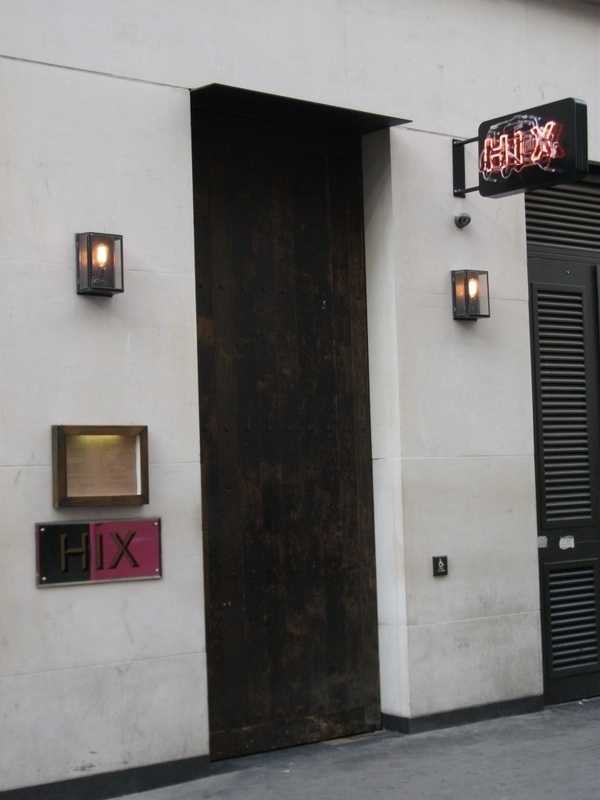
Heralded as the best bar in London in Time Out magazine, this was clearly somewhere we had to try. Having spotted the Hix neon sign through Soho’s clutter, the imposing and closed oak door left us wondering if they were in fact open for business today but pushing through, we found yes, they were, and passing the restaurant on the left, we headed down to ‘Mark’s’, the basement bar.

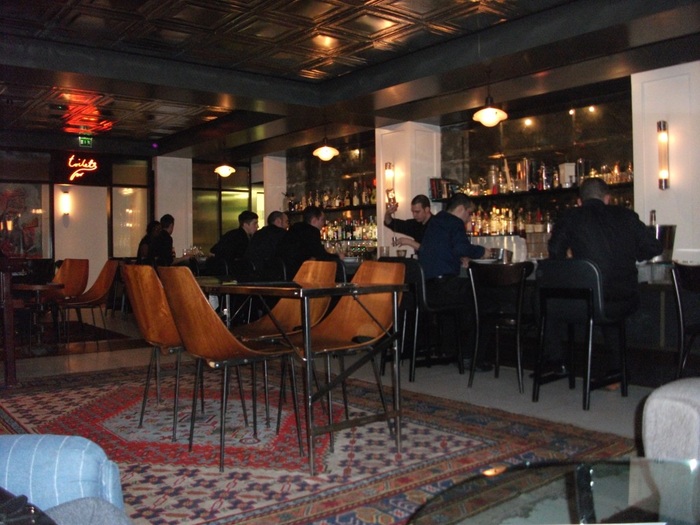
First, on the decor, this was a confused place, like a twenty something’s bedroom that has yet to clear the adolescent junk of the previous decade (a bar billiards table for example) while showing pretensions to sophistication (a scattering of deep recline leather sofas). Bad enough, but elsewhere, the Ikea stock of wooden back chairs gave the whole thing a factory canteen style air. While the chairs may have given it the flavour, the roster of staff eating at the bar put the flesh on the bones. True, it was 4:30 in the afternoon and the staff were no doubt snacking between the lunch and the dinner service but despite being the only paying customers in the bar, they couldn’t have been less interested in us than if we entered the bar wearing a T-shirt bearing the slogan ‘we’ve got Herpes, kiss me’. Worse was to come.
After five to ten minutes of sitting there staring around the place playing with each other a game of ‘who’s the loudest member of staff’ versus ‘who’s the rudest’, someone finally came over to take our drinks order. Now, this is the place that claims to make a cocktail. As such, in a way that we might at a restaurant take the tasting menu or chef’s recommendation, we invited them to give us the best of the cocktails, what’s the house speciality, what does the barman ‘own’? Your choice we said, give us the best the house has to offer. We we’re met with the bland reply, ‘90% of the cocktail list is our speciality’. Should we leave now?

We asked for something in the sour family, open to whatever base spirit; our waiter seemed slightly lost though suggested a gin with lemon twist and when pushed for a second drink, a rum based cocktail. Knock us out.

When we were at the Connaught Bar (see our previous post), Erik made us two incredible cocktails when we said surprise us; he did, we sat, we drank; in short, we were in awe. Here alas, we were only in awe of how bad their ‘speciality’ was. Both cocktails suffered from an extreme degree, indeed eye watering degree, of sourness; neither had any sense of balance at all. Wrong, wrong, wrong. And in the time spent there, I never saw the bar tender tasting the output even once. The gin/lemon cocktail was like a sour highball lemonade and the rum base was little more than a neighbour’s BBQ rum punch with lemon and bitters; both were totally one dimensional.

We asked for the bill and left with three quarters of each cocktail still sitting in the glass. The ‘shocking’ thing is, given the choice between paying for a single cocktail at full price at the Connaught Bar or having five free cocktails at Hix, the Connaught wins every time, life’s too short to waste on inconsequential drinking; if I’m going to die of cirrhosis of the liver, I want it to count and at Hix, it simply doesn’t.

Hix on Urbanspoon
 
 
The world of real cocktail bars seems so often to try to make the client feel small or marginalised. Milk & Honey for example is so so trendy that they don’t even have their name over the door and as they say on their website ‘Access to non-members is by reservation only until 11pm (and in practice restricted to the early part of the week)’. Could they be any more up their own backside?

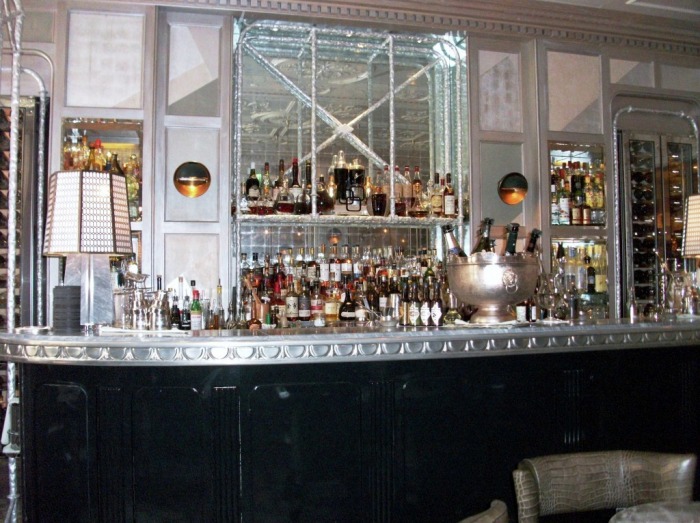
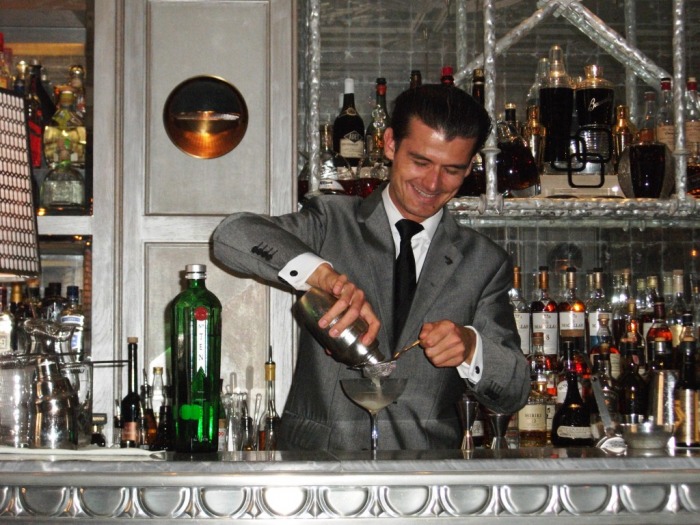
It is so refreshing therefore to find a bar like The Connaught Bar where not only are the best cocktails in the world made everyday but where Head Mixologist Agostino Perrone and his team treated us even on our first visit there as if we were long standing friends and cherished customers. In short, they completely won us over.

What’s more, while our casual use of the phrase ‘the best cocktails in the world’ in the last paragraph was, well, casual, there is in fact more truth than hyperbole in that statement because Senior Mixologist there Erik Lorincz this July won the Diageo Reserve World Class Bartender of the Year 2010 award. In short, he’s a world champ cocktail maker who beat a global field of 9,000 mixologists to take the title.
With such pedigree, the bar will of course do the classics if you want them but so much more fun is to let them decide your drink for you. We had two of Erik’s competition winning cocktails including Reach for the Sky and a Green Lady. Now, these drinks are a long way away from vodka, cranberry, triple sec and lime, rather, these are really clever drinks with extensive use of herbs and botanicals and other ingredients that are totally original in drink construction. The Green Lady for example comprises Green Tea infused Tanqueray Ten, lemon juice, lime juice, rosemary sugar, green Chartreuse and egg white, shaken and double strained and garnished with a shiso leaf and dry lemon. It looked beautiful and tasted beautiful and in my sheer excitement, I had already drank half the glass before it occurred to me to take a picture. The photo of my half empty glass does it little justice so I wont disrespect them by posting it here but I’ll collect another picture next time.

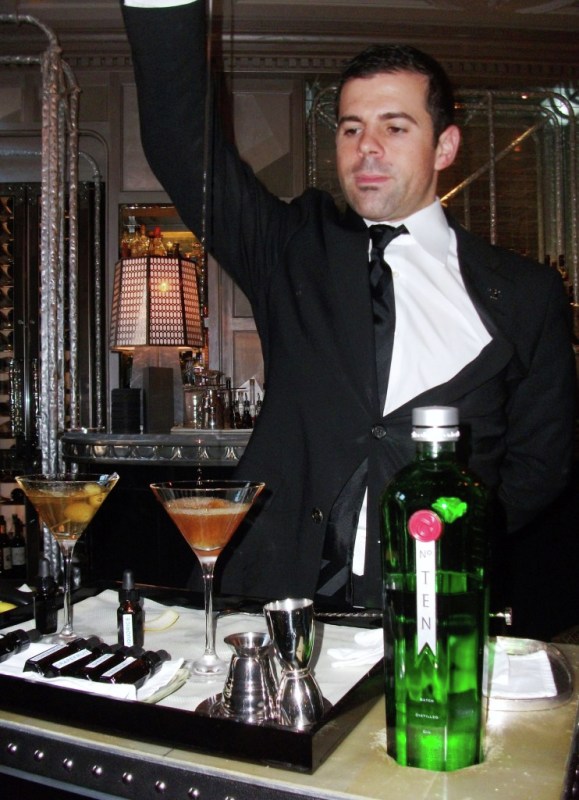
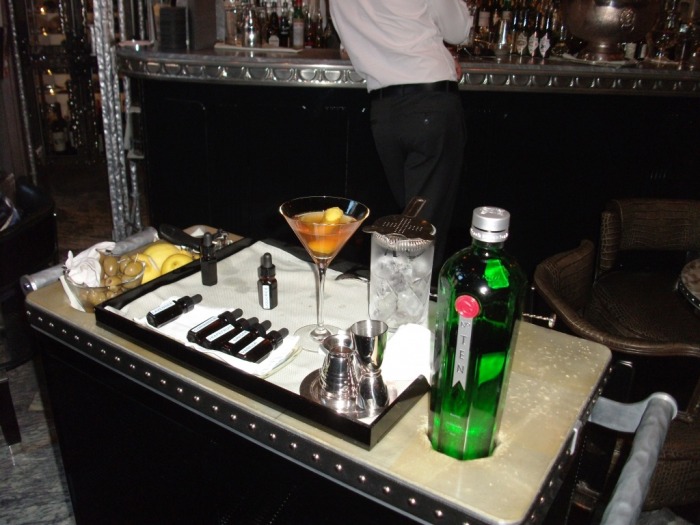
The Martinis too are imprinted with their own twist on the taste with original bitter infusions and in theatre with a Martini trolley that’s wheeled to your table so that you're ringside for the show. Agostino mixes the drink right there in front of you after you have chosen which of the bitter infusions you might enjoy for a new twist on a classic. Bitters here include vanilla, grapefruit, cardamom, liquorice, lavender, ginger or coriander. I chose liquorice and it was delightful.

All the cocktails served had just the right balance between sweet and sour and fruit/flavour and alcohol and all were a visual treat.The herb backing in many imparted hitherto unknown drinking flavours that you just have to try for yourself if want something properly original. Cocktail legend Dale DeGroff (of Rainbow Room fame) who was a judge at the Bartender of the Year competition said of the event that ‘these 21st century bartenders are the pioneers of a new golden age of the craft’; given that Erik won, I guess that makes him THE pioneer and drinking at The Connaught Bar therefore opens up a new frontier of cocktail drinking. There's so few places that could ever offer that.

To drink drinks of this quality, it might be worth having to make a reservation, it might be worth having to queue behind a red rope manned by surly door attendants, it might even be worth joining a private members club that doesn’t have a name above the door. Instead though, at The Connaught Bar, you have to do none of this, turning up is enough; from the moment you step through the door, Agostino and his team with a natural warmth will make you feel special from the very start. And even more guaranteed, after a few Tanqueray Ten Martinis, you’ll feel more than just special by the time you get up to leave a few hours later. We had the best time there and will certainly go back in the very near future.
Bar at the Connaught on Urbanspoon
 
 
Picture
Unexpected finds can often provide as much (or more) pleasure than life’s big set pieces. The discovery that Wilton’s Music Hall, the oldest surviving grand Music Hall in the world is on our doorstep (and that it has a liquor licence) has today given us great joy.

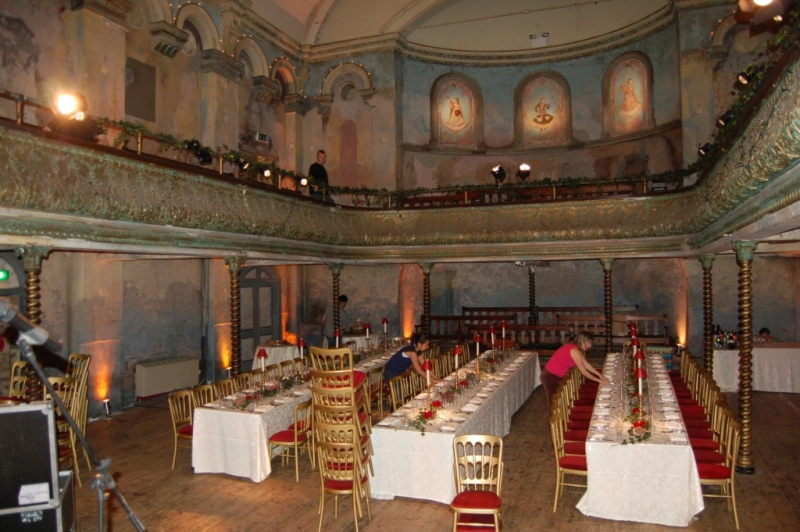
This place is just amazing and steeped in history as you might expect. The music hall was built in the back yard of five terrace houses that date from 1720. A pub from 1828 (Prince of Denmark), The Music Hall itself dates from 1859 when top acts from Covent Garden would run across town to perform on John Wilton’s stage in a hall that would hold up to 1,500 people. It wasn’t a music hall for long and variously became a Mission, a safe house for East Enders protesting against Mosley and Fascism at the 1936 Battle of Cable Street and a shelter during World War II for those made homeless by the Blitz bombing. Saved from demolition in the 1960s by Sir John Betjemen, the hall once again sees live entertainment performed in a truly original setting.
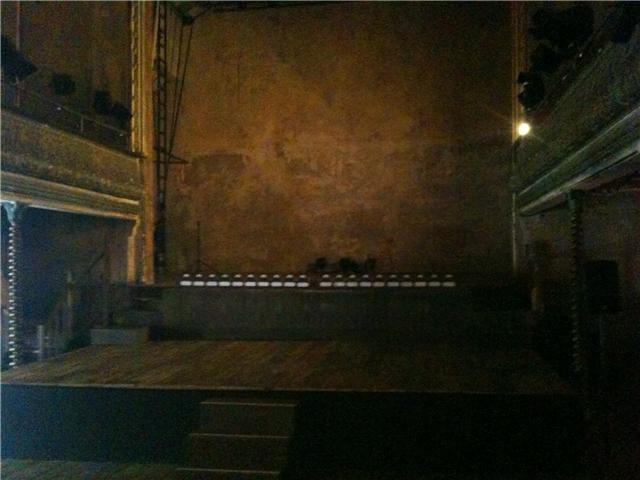
The Music Hall itself feels alive with the history and totally original only missing perhaps the original ‘sun burner’ chandelier of 300 gas gets and 27,000 cut crystals that has now gone but which must have been a sight in its day. On stage meanwhile, George Leybourne known as Champagne Charlie performed, dressed in top hat and tails, gloves, cane and scarf waving a bottle of vintage Moet & Chandon, swigging from the bottle as he sang. Here too it is reputed that the first ever can-can was performed in London.  Roll forward and Hollywood’s in town as the Music Hall plays host to Robert Downey Jr’s Charlie Chaplin and Woody Allen’s Cassandra’s Dream.

Don’t expect though to find the place pristine – it reminded me of Cuba’s Havana: beautiful decay. Sadly this has been a much neglected building but in part, here lies the charm. The layers of history are seen in the peeling paint work and the original but historically neglected ornamentation. If most theatres invite you to ‘think when we talk of horses that you see them’, Wilton’s, through its being, turns this on its head and invites you to think of the performers and the crowds; here the story is the Hall, everything else is secondary.

The staff are friendly and the bar cosy. The cider was cloudy and cold (yum), they have a bottle of Macallan 10yr on the shelf and there are complimentary nibbles of ham and soft cheese spread on sliced baguette. There’s a jug of water and cups on the bar too which is an unusual and nice touch. Meanwhile, no two pieces of furniture in the bar match. These are some of the many reasons to love the place. On our first visit, we signed up to become ‘friends of Wilton’s’ for this is a beautiful place and should be enjoyed by not just us but generations to come.
While in 2007 the building was placed on the World Monuments Fund ‘100 most endangered sites’, things are improving and the Hall is slowly on the way to recovery as the Wilton’s Music Hall Trust move towards their fund raising target and the necessary repairs to restore this gem to a more enduring condition. Two things then that each of us needs to do: first, go there, it’s good for the soul and really has a wow factor for this is truly a hidden gem. Second, spend some money, have a drink and know that the ‘margin’ is keeping the place alive; perhaps even take in one of their shows, concerts or other events (they have live music in the bar every Monday).

In the world of the generic, this is truly a one off and a complete find. We’re delighted to call ourselves Wilton’s Music Hall’s newest friends. We hope to see you there.

The bar is open Mon-Fri, 5-11pm. A lunchtime service will also be available during August on Thurs/Fri, 12-3pm.

Find out more at www.wiltons.org.uk/
 
 
What do Cragganmore, Lagavulin and Talisker have in common? And what do Aberlour, Glenlivet and Scapa similarly have in common? Well, the first three are all owned by United Distillers (Diageo) who also own a further 23 distillers as well as brands like Guiness, Smirnoff and Tanqueray. The second set of triplets are all owned by Pernod Ricard who also stable Absolut Vodka, Havana Club and Beefeater Gin as well as over ten other Scotch whisky distilleries. 

Now, I'm a big fan of Talisker as readers of the blog know, and the investment made by these companies in the distilleries to be fair has been substantial and given us some great whisky. Furthermore, I'm certainly not anti-capitalism or anti-globalisation. Nevertheless, Diageo's turnover in 2009 was £9.3bn and its operating profit was £2.6bn. None of this do I have a problem with but one must appreciate that, for the most part, the world of Scotch whisky does not conform to the romanticised view that we might have of a local distillery passed down from generation to generation producing fine Scotch in the family tradition, rather, the whisky industry is the world of the multinational and so is on a par with big oil, banks and pharmaceuticals operating for the profit motive with the distilleries run by employees who no doubt report to a regional chief who reports to the global head who reports to the Board etc. Consequently, Diageo's marketing spend is a whopping £1.3 billion and accordingly its voice is heard.

For those though who crave a unique voice and a distillery that has been passed from generation to generation and for those who would cleave to their heart a family that have no doubt passed up countless open cheque book offers for the distillery so that they could carry on a tradition started 145 years previously there is one and really only one name: Glenfarclas.

Glenfarclas has been in the Grant family since 1865 and this week we were lucky enough to visit the Coburg bar at the Connaught to taste whisky across the Glenfarclas range with George Grant, 'Brand Ambassador' and son of the current Chairman John Grant. 

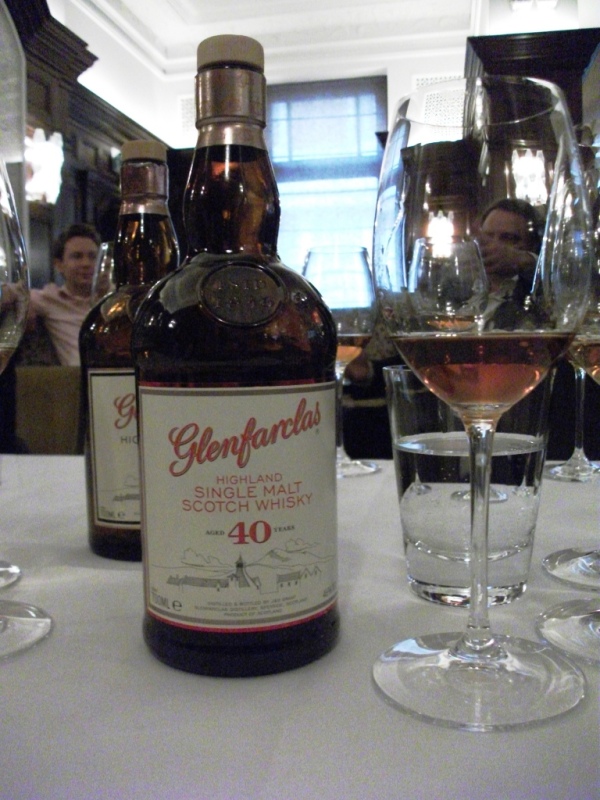
It would be too much to provide tasting notes across everything we took in during the day but as the saying goes, the list was long and distinguished. Tastings included the 10 year, the 105 proof, 15 year, 21 year, 25 year, 40 year, the Family Cask 1979 and the Family Cask 1962. Not bad for breakfast.
On the whole, Glenfarclas is simply lovely and will appeal to those who want depth to their whisky. First use sherry casks are predominantly used and the sherry flavours come through on both the nose and palate. Across the range too there's real warmth, with citrus orange, caramel and liquorice all varying in intensity with age. There's an intensity too of amber colour and the most amazing finish on the 15 year old (and above) that stays and stays and stays allowing you to savour the taste long after you swallow, perhaps the longest finish I can remember experiencing in any single malt. Furthermore, Glenfarclas is for the most part cask strength non chill filtered and 'non finished'; in other words, an honest whisky. Whisky Magazine named Glenfarclas '2006 Distiller of the Year' for 'being consistently good and staying true to its core values'.  

Michael Jackson's Malt Whisky Companion notes Glenfarclas as 'outstanding malts, and in an unusually wide variety of ages - experienced tasters usually place the Glenfarclas malts in the top three or four from this most distinguished district (Speyside)'. We agree.

What's more, George himself was charming and is an ambassador for life as much as an ambassador for the brand and we enjoyed his whisky and his company in equal measure. With George possessing an infectious passion for the product, the distillery is certainly in good hands for decades to come ensuring continuity of ownership and spirit for the rest of our lifetimes at least.

We noted earlier the 'Family Cask' which is something unique to Glenfarclas and underlines its own family ownership. The Family Casks represent a family of single cask expressions from every year from 1952 to 1994 highlighting the continuity of private ownership at Glenfarclasas as well as their ability to bottle the rarest and most sought after of complex malts. Only two bars in the world possess the full span of Family Casks (52-94) though the Coburg Bar at the Connaught with 9 different Family Casks together with the 15yr, 25yr and 40yr range will become the third widest holder of the collection.  

Glenfarclas doesn't have a billion pound marketing budget, instead it has George and for our money, he's the best advert for the best that a family owned distillery can produce and that, trust me, is very good indeed. In fact, don't trust me, go buy some yourself and see; available at the likes of Berry Bros and The Whisky Exchange at Vinopolis (and of course the Coburg Bar), thecriticalcouple are now 'officially' friends of Glenfarclas and we'll be making sure we always have a bottle gracing our bar at home.

Visit Glenfarclas at www.glenfarclas.co.uk/en/
 
 
Too many bars these days are for the most part predictable. A standard list of spirits is followed by a standard list of cocktails and a standard list of bar snacks. The Coburg Bar at the Connaught though is anything but making it one of the must go bars in London for anyone who wants something special in their glass set against a classic comfortable surround. Under the brilliant stewardship of Mark Jenner, the bar is a drinking adventure on each occassion and Mark's ability to continually source rare and unusual product offers the possibility of a new discovery every time.

At a recent late night stop at the Connaught for a final after dinner whisky, a venerable Talisker perhaps, Mark 'challenged' us with a 1937 6yo Canadian Club. Yes, all the thoughts that you're having right now went through our mind too, not least the fact that whisky of course, in theory, does not age in the bottle. The nose though, complex beyond what any 6 year old should ever smell like, persuded us both to a measure and we were not disappointed. 1937 was of course the year George VI was crowned King and Neville Chamberlain became Prime Minister, and here we were drinking the fruits of that year. In short, it turned a great evening into a unique event and it's uncanny how often they can do that at the Connaught, it's what keeps us coming back.
The cocktails are of course first class and a great evening itself can be had just sitting at the bar watching the bartenders creating their liquid verse. If you have the munchies, the crisps are made in the kitchens below while the bar snacks are prepared by the Connaught's Michelin starred Helene Darroze restaurant.

Of course, this all comes at a price so you may want to have your bank manager on speed dial for some of the most exotic drinks (the 1914 Hine Vintage retails at a staggering £1,500 a shot), but if you want a more than just a drink, if you want a bar that makes every visit special, there's nowhere better in our view than the Connaught.

http://www.the-connaught.co.uk/the_coburg_bar.aspx

Coburg on Urbanspoon